Industry
Factory in operation
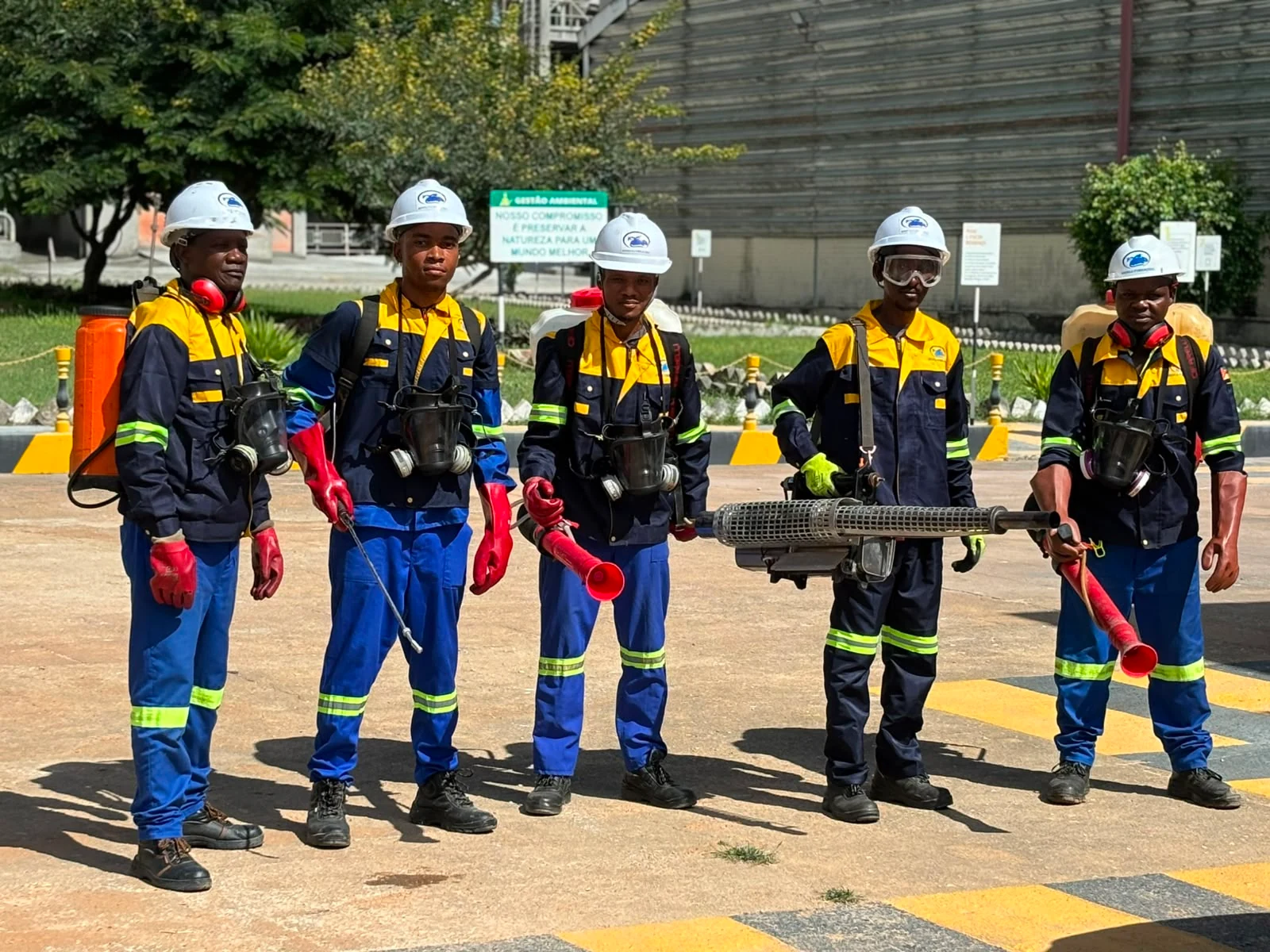
CHALLENGE
Crawling insects present in a production area that could not be shut down.
SOLUTION
Fogging and residual spraying on end-of-day shifts, with controlled re-entry.

Clients
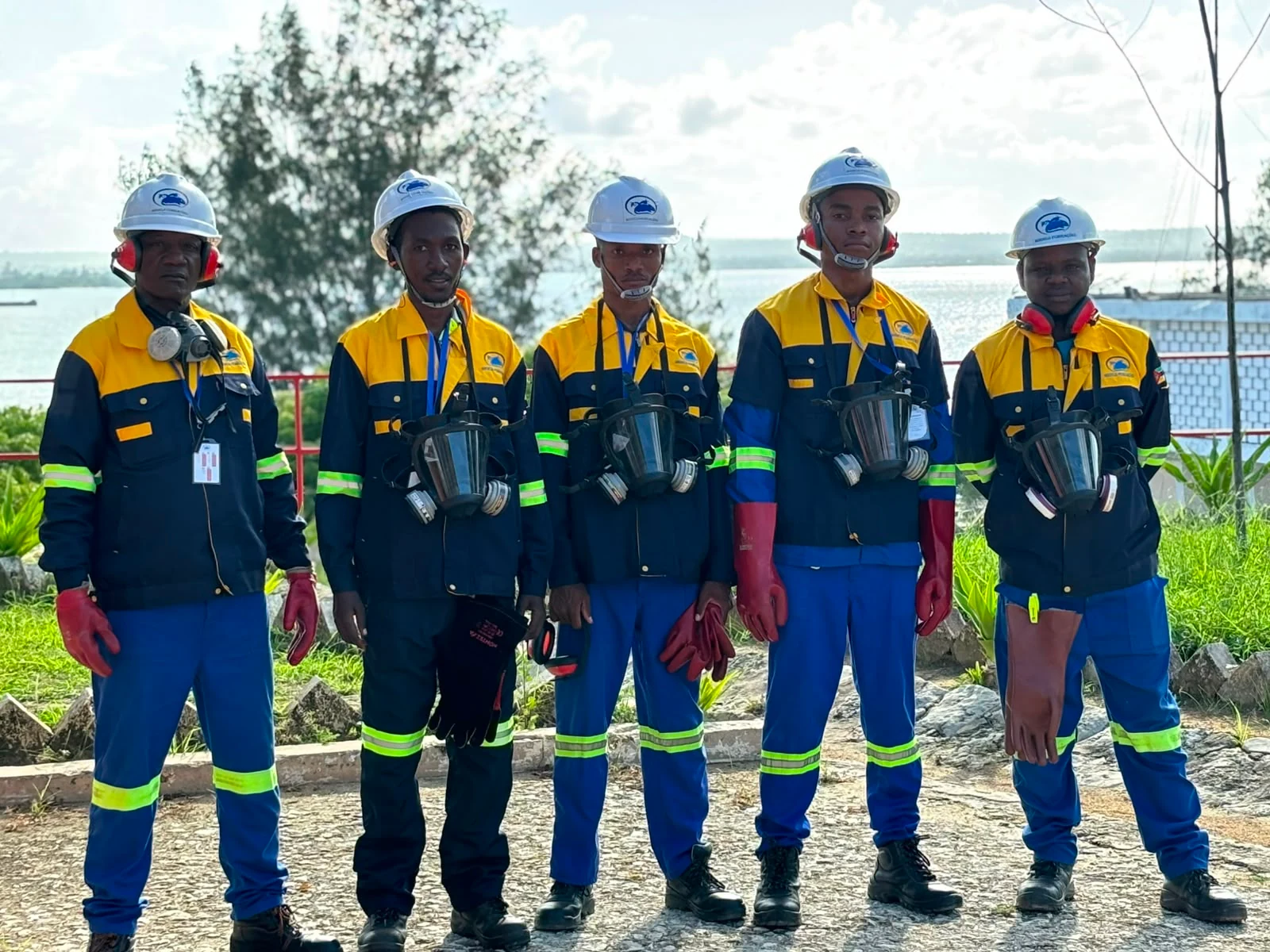
No names and no logos — we show what matters to anyone assessing us: the sector, the environment, the problem found and the solution applied.
Crawling insects present in a production area that could not be shut down.
Fogging and residual spraying on end-of-day shifts, with controlled re-entry.
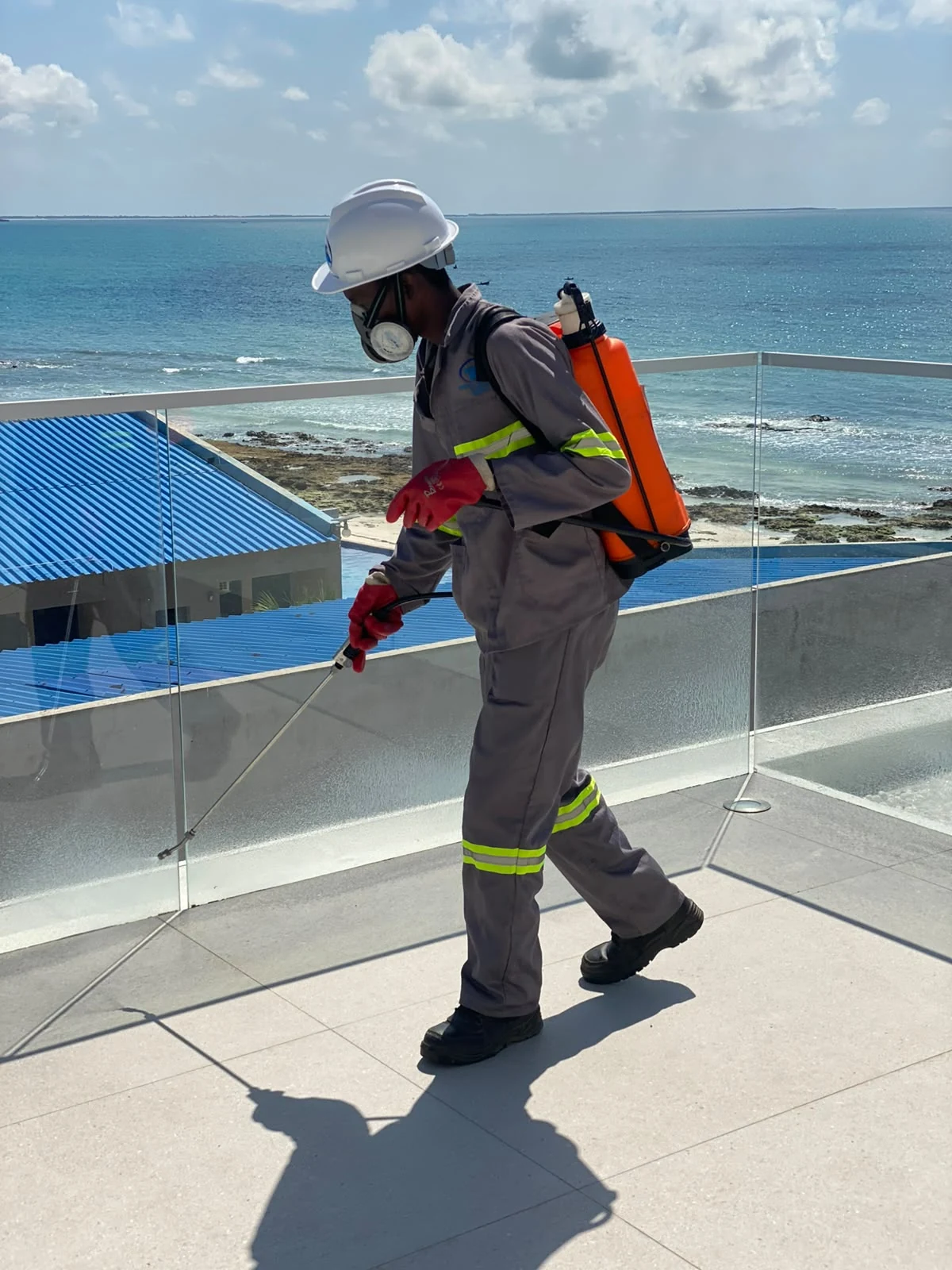
Mosquitoes and flies on terraces and outdoor common areas with guests in residence.
Perimeter fogging at dawn and treatment of standing-water points.
Rodent control in a loading and unloading area with constant traffic.
Sealed, numbered baiting stations with consumption logged point by point.
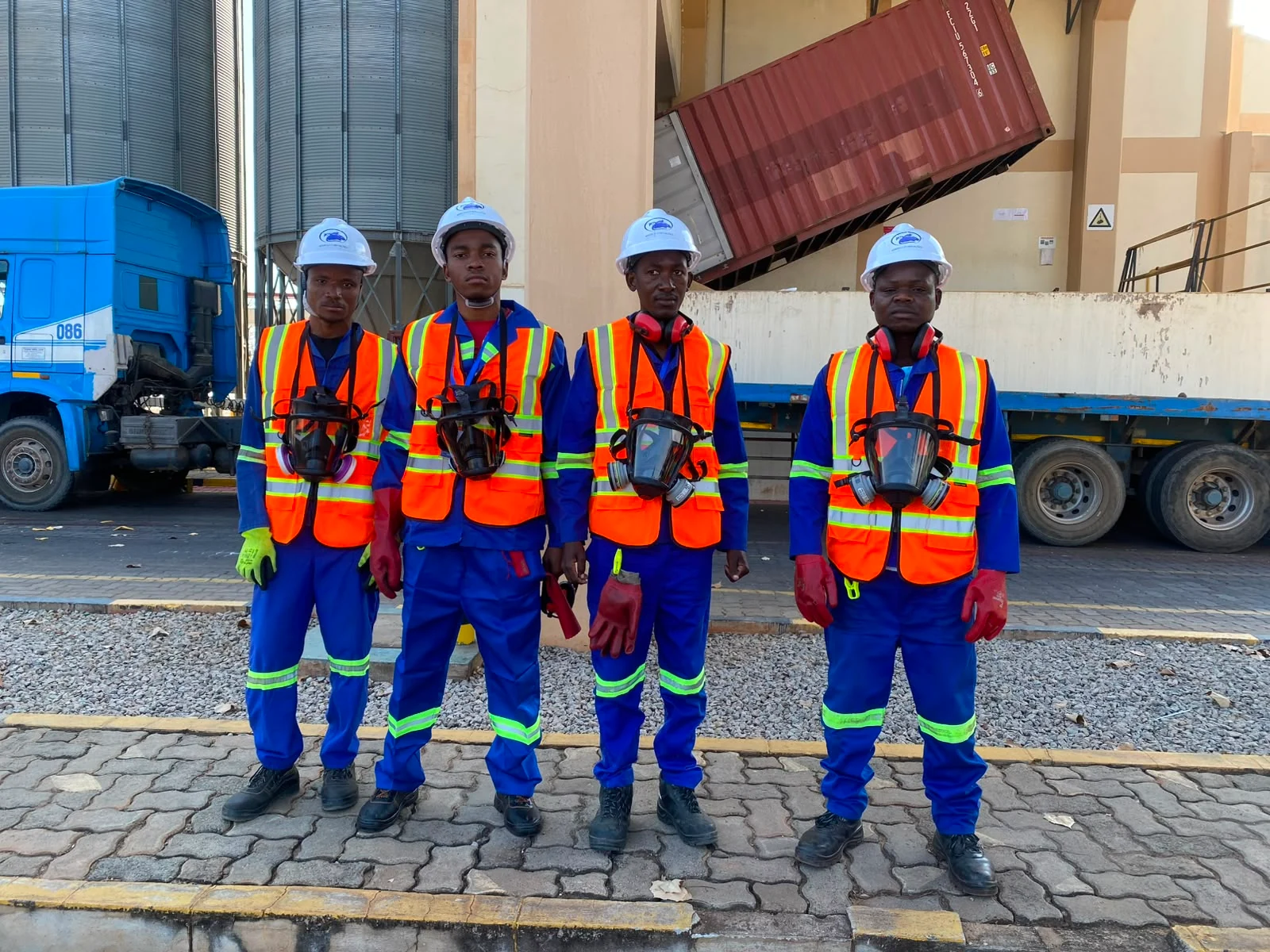
Infestation in stored grain, with the risk of losing the batch.
Fumigation of the stored volume and a residual barrier around the warehouse perimeter.
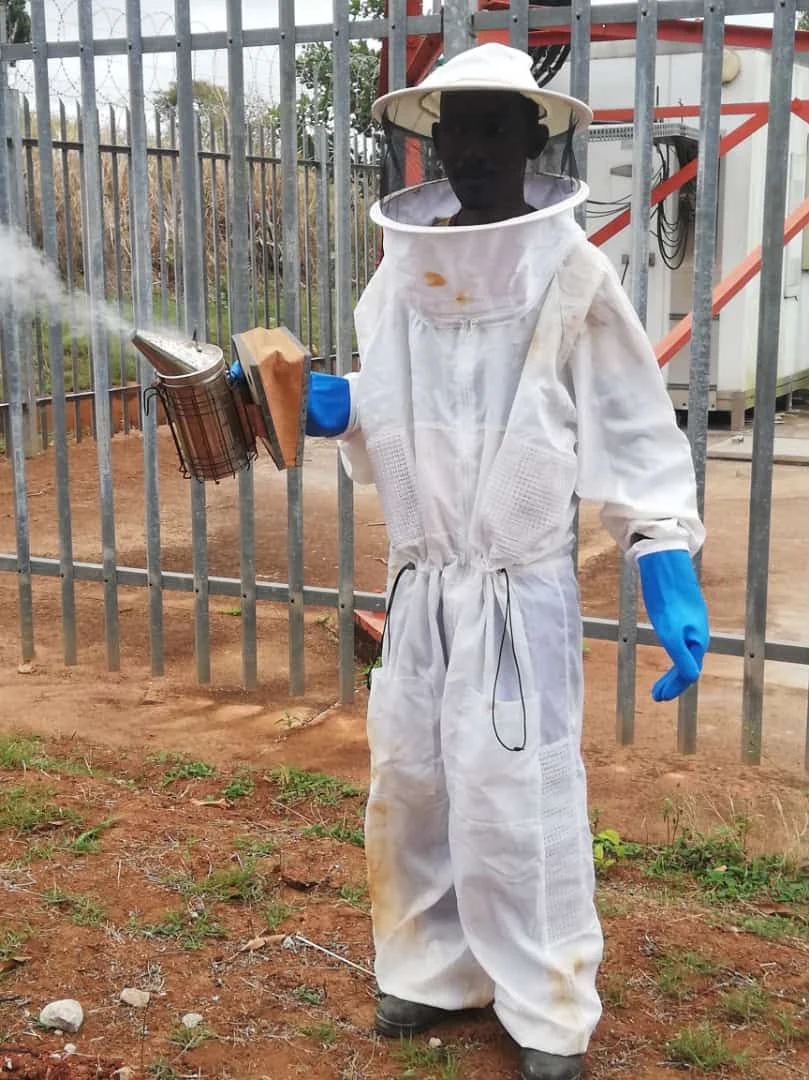
A swarm established on a structure at height, blocking maintenance work.
Removal with a beekeeping suit and smoker, working suspended on a harness.
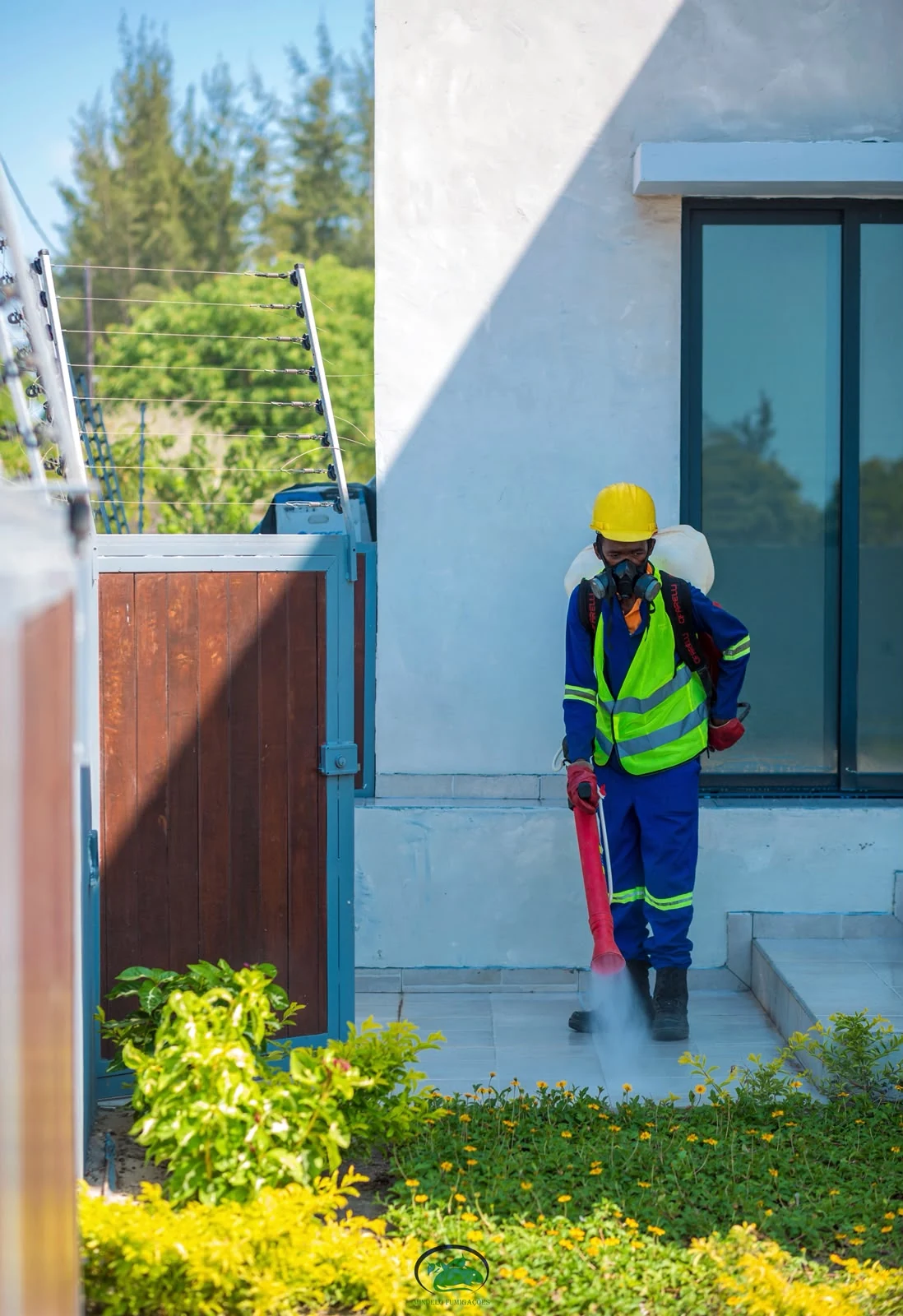
Ants and cockroaches in common areas and perimeter drainage chambers.
Treatment of chambers, outdoor skirting and entry points, repeated after 15 days.
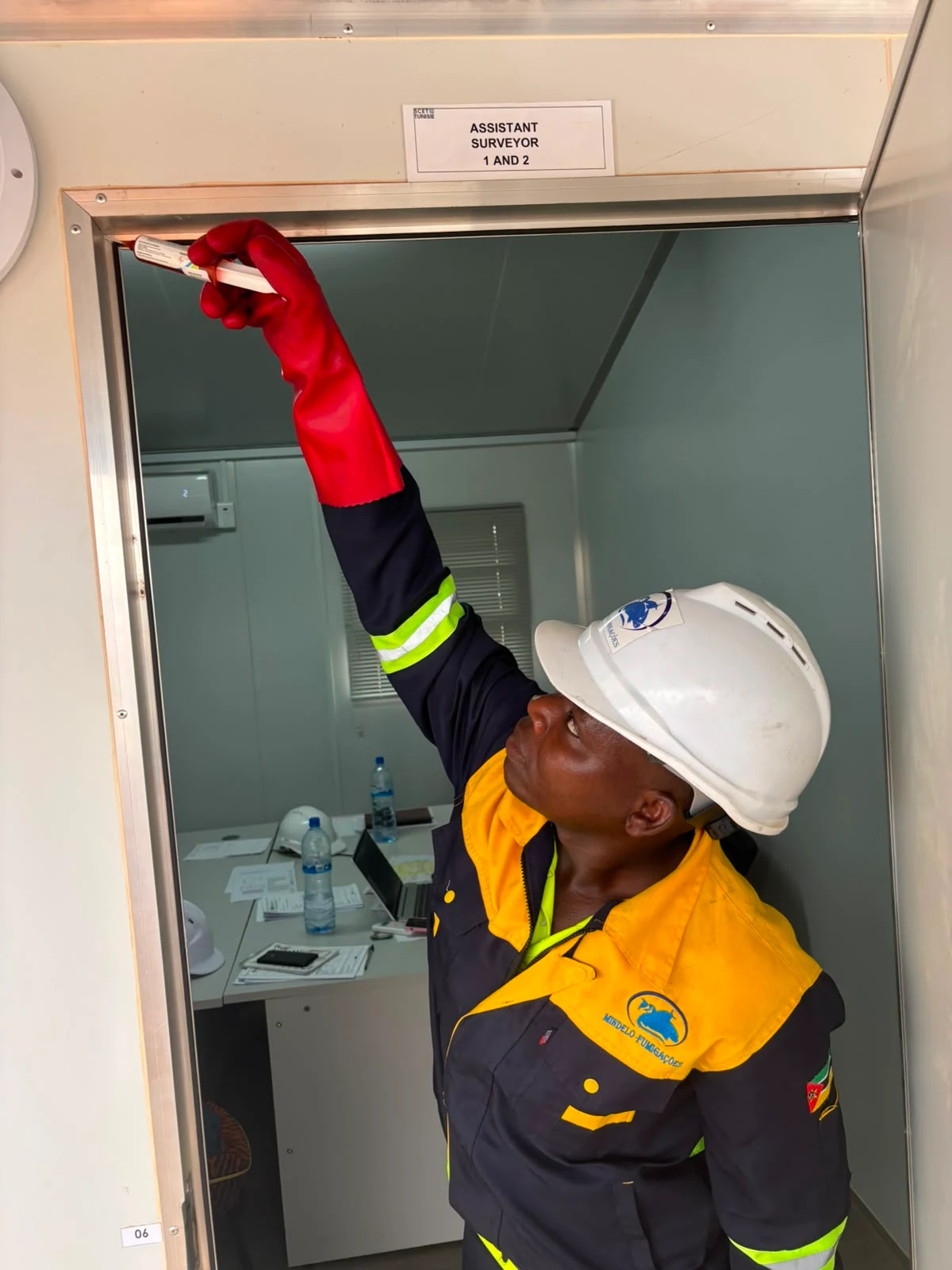
Insects in office containers far from any urban area.
Inspection, sealing of gaps and residual application indoors and beneath the unit.
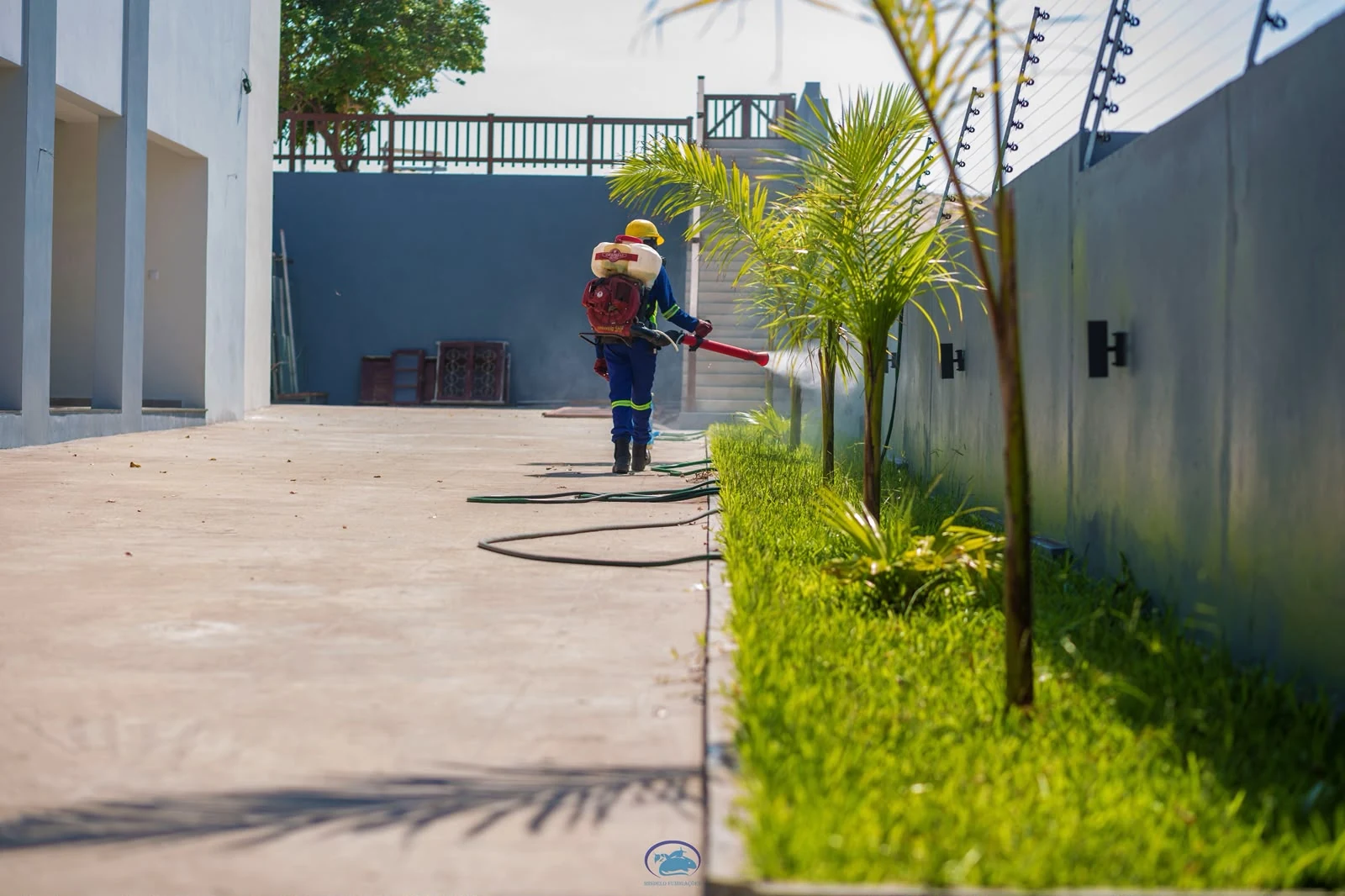
Freshly planted garden and perimeter of a new build, with mosquitoes and ants settling in before handover to the owner.
Fogging of the garden and planted areas, plus a residual barrier along the paving and the perimeter wall.
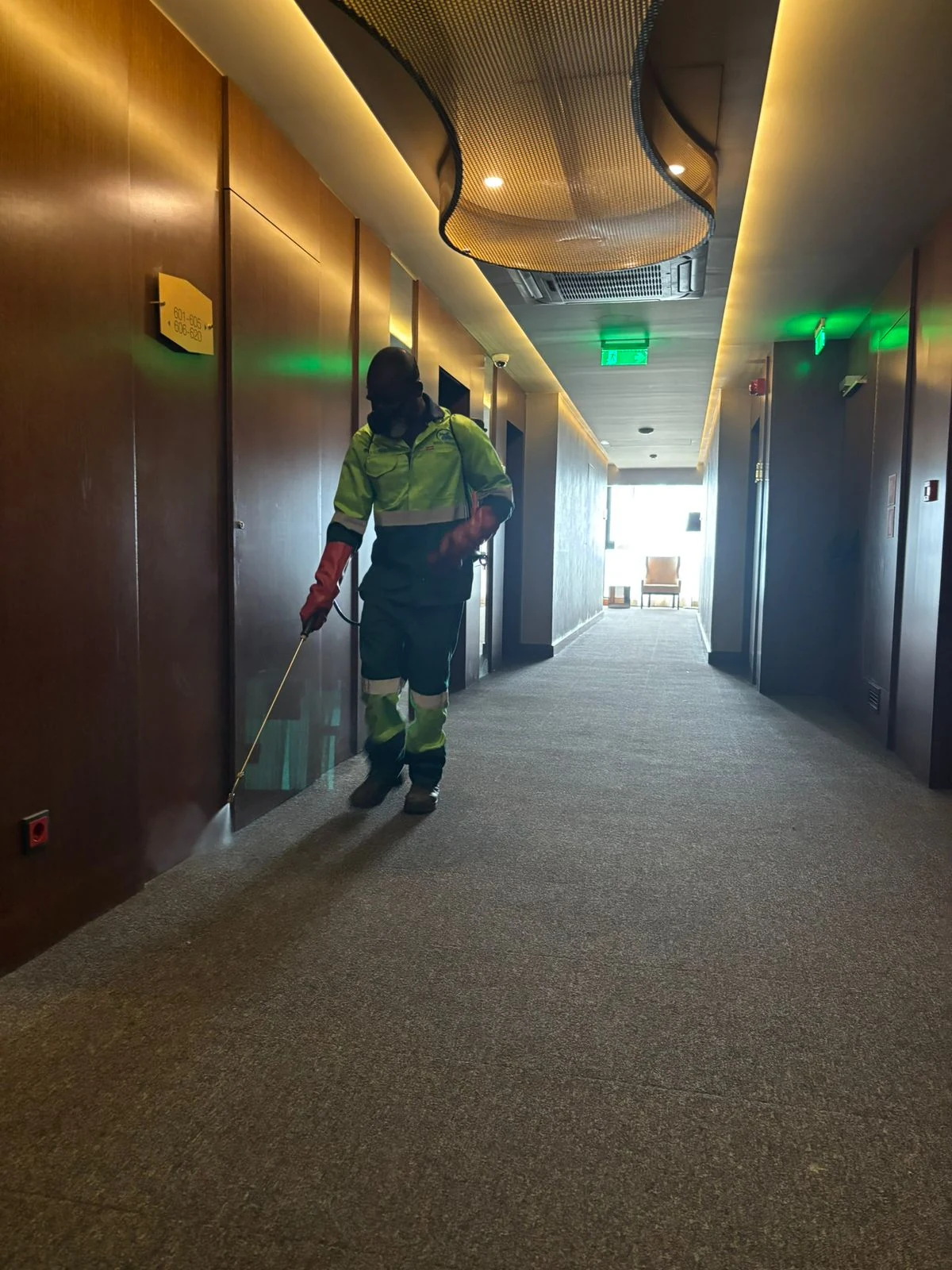
Treatment of rooms and circulation areas without interrupting service.
Room-by-room application, wing by wing, with a re-entry plan per unit.
Case study
A colony established on the structure was blocking any maintenance work at the top of the tower. The removal had to be done at height, with the colony active, without damaging transmission equipment.
For operations that cannot afford an infestation, treating after the problem appears is too late. The model is different: scheduled visits, records point by point and a report for every intervention.
We walk the site, map the critical points and set a frequency that matches the risk in each zone.
At times that do not interfere with the operation — at dawn, at the end of the day or during planned downtime.
Numbered stations, consumption per point and a record of every visit, for internal and audit purposes.
Between visits, whenever something shows up. Contractual response time · to be confirmed